Bullet Journaling to Improve Your Life (Because Your Memory Sucks)

Image generated with Copilot

Your Biggest Enemy is an Uncontrolled Mind

Your thoughts are scattered. Your emotions run amok. Your memory? Unreliable at best. Enter – the Bullet Journal Method.

Bullet Journaling isn’t just a planner – it’s a mental command center that helps you track, process, and problem-solve.

And when everything seems to suck, it can help remind you that it really doesn’t – you just tend to forget the good stuff.

What Bullet Journaling Really Is (And Isn’t)

Contrary to popular belief, the Bullet Journal Method wasn’t meant to be a DIY planner system. It’s a tool for mindfulness, clarity, and reflection.

Also contrary – You don’t need any fancy layouts – Just a pen, notebook (analog is key!), and whatever elements work for you.

Some people even use two notebooks alongside each other – a portable pocket notebook for on the go, and a larger journal for deep dives.

Core BuJo Elements That Actually Improve Your Life

  • Basic system and symbols. Keep it functional – tasks, events, notes, & feelings.
  • Daily highlights and/or gratitude. Negativity bias is real (your brain overlooks the good to protect you from the bad) – combat it by tracking your wins, even small ones. (Bonus points if you turn your highlight log into relevant song or show titles!)
  • Habit trackers. When motivation wanes, proof of progress will encourage you to practice discipline & resilience.
  • Braindumps & freewriting. Mental decluttering = less stress and better focus (more on that next week!)
  • Goal reflections. Are you moving toward the life you want? (More on that in a couple weeks!)
  • Interstitial journaling. Practice mindfulness by taking a pause throughout your day to log your real-life moments in real time (who, what, where). Your future self will thank you.

There’s Always a Way to Deal With It : BuJo Problem Solving

Instead of freaking out, work through it using these prompts:

  1. What’s bothering you? (Name it.)
  2. Why is it bothering you? (Dig deeper.)
  3. Do you have control over it?
    1. Yes? Brainstorm real solutions, then create a mini action plan.
    2. No? How can you reframe your perspective and reactions? Control what you can.

Get Your Mind Under Control

Bullet Journaling isn’t about being organized just for the hell of it – it’s about taking control of your thoughts, actions, and emotions. You can’t trust your brain to remember everything or to be rational in every moment.

Write it down. Track what matters. Improve your life.

Have a favorite bullet journaling hack? Drop it in the comments!

If you liked this post, please give it a “like”, share it with friends, and subscribe if you’re new.

And here’s a couple related things I’ve found interesting lately :

An article about reflections in your Bullet Journal

A video with a helpful explanation of daily logging / interstitial journaling

Rock on!

Creative Productivity & The Art of Planning

Image credit : Pixabay

I’ve been a “planner girl” intermittently for as long as I can remember. My enthusiasm for planning began with a Lisa Frank binder in elementary school and continued with a free notebook in college. I started journaling at age 12 and have maintained the habit consistently since then.

In 2012, when my father had his first stroke, I needed a highly flexible planner to manage everything I had to do for him. That’s when I discovered the “Bullet Journal Method” on Pinterest, which captivated me for several years.

Planning is a fundamental element of success in any endeavor. Whether you’re launching a business, achieving personal milestones, or simply trying to improve your daily life, effective planning is crucial. This post will discuss the importance of planning and provide practical tips to help you develop & refine this vital skill. In a future post, I’ll delve deeper into my detailed and unique quarterly goal-setting system.

Moreover, planning offers clarity and direction, whether for daily tasks or long-term goals. Without a plan, life can seem overwhelming. By breaking things down into manageable steps, planning turns ambitions into actionable tasks.

What do you specifically need a planner for? Write a list on a piece of paper. Are you a student? Does your job require a separate planner or notebook? Do you need to manage medications, household chores, doctor’s appointments, or a side job? How about improving your health, strengthening family bonds, or tracking finances? Choose or create a planner that suits your needs and make sure you know what you need to keep track of and prepare for.

Next, decide on your planner – digital or analog? Your preference might lean towards one or the other. For a long time, I was a paper planner enthusiast. I’ve used the Bullet Journal, Happy Planner, and traveler’s notebook systems. I loved to decorate, customize, and adapt things to my needs. But recently, I’ve been trying to simplify my life, including my planner system. I’ve found that I rarely refer back to my old planners, and their main purpose was to leave something for my children when they’re older. But why would they want my to-do lists mixed in with memories? Thus, I’ve switched to digital planning, specifically using Notion. I find it more functional, less wasteful, and inexpensive. Now, I keep separate journals for memories and pictures for my kids, keeping my day-to-day tasks digital for easy deletion. Often times, less is more.

Once you’ve chosen your planner and know what you need it for, start filling it in. Prioritize appointments, meetings, bill due dates, and other important events. My weekly and monthly planning includes dinner plans, work schedules, homeschooling and extracurricular activities, cleaning goals, and spontaneous adventures. Don’t forget to include some fun!

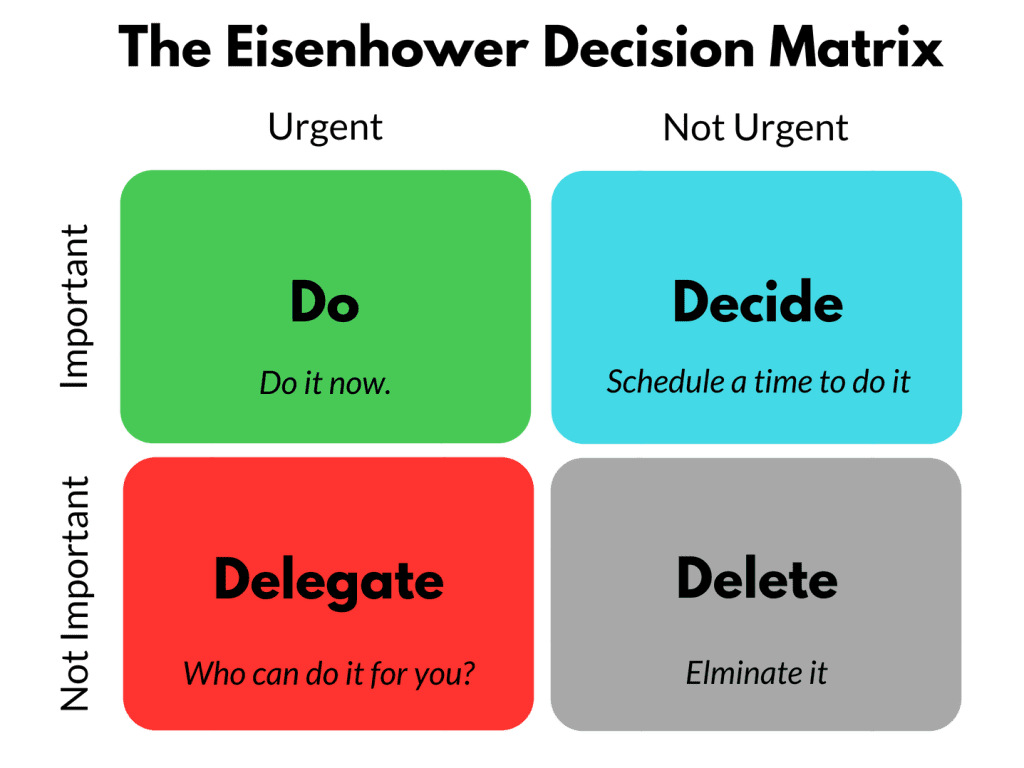
Depending on what your needs are, there are lots of productivity tools to help you organize your tasks. A “kanban board”, for example, is a visual tool used to show what tasks need to be done, are in progress, or done. Another example is the “Eisenhower Matrix”, which is often used for prioritizing a long list of tasks.

Image Credit : Google Search

Daily, weekly, and monthly reviews can also be beneficial. The frequency of these reviews depends on your needs, but regularly evaluating what you did well and what you need to improve is a good practice.

Remember, flexibility is key in planning. Life is unpredictable and your plans may need to adapt. Embrace changes and adjust your plans accordingly. Finally, celebrate your accomplishments, no matter how small. Every completed task brings you one step closer to your goals. Just remember that planning is not a one-time task but an ongoing process that requires dedication and adaptability.

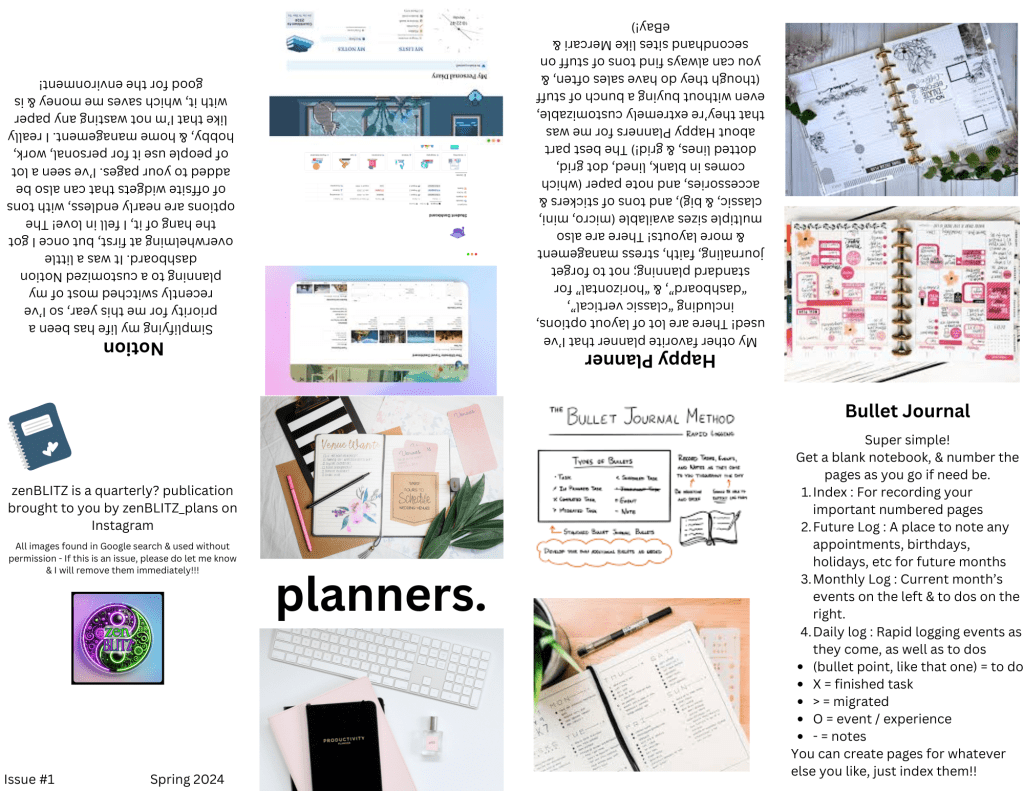
Just for fun, here’s a little zine I put together about three of the different planning types I described earlier. You can print it out for free, resize it to the paper size you use if need be, & this infographic shows you how to fold & cut it into a proper mini zine. Enjoy!!

What planning tips & tricks do you like to use? Share them in the comments; I’d love to nerd out together!! 😊

On Productivity and Useful Apps

While I continue to recover from that dirty ol swish, I’d like to take a moment to discuss productivity. Different things work for different people, so I’ll share what works for me, hoping that it might give you an idea of something that’ll help you.

tjalla-wall-clock__0540839_pe653259_s4

I wasn’t really taught how to organize anything as a kid, especially my time, but I always craved some sort of structure outside of school. So, I started reading books about it as a kid, & I’ve gotten pretty good at it over the years! This article is mostly about my business, but covers my personal time as well. Please note- I’m not getting paid to mention the following apps, I just find them that useful!

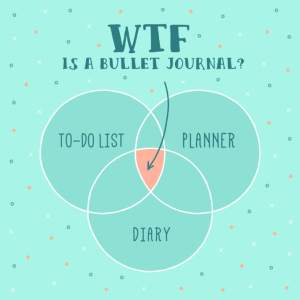
sub-buzz-29736-1464103214-1

My most useful tool isn’t an app at all, & it will have its own post in the future. I highlighted my business notebook in a previous post, and mentioned that it works better for my business needs than a “bullet journal“; but I’ve been using bullet journals for my personal needs for 3-4 years now! I use it to keep track of monthly events & appointments, plan my dinners for the week, track my bills & checking account, maintain daily to do lists & habits, and more! I even made a separate bullet journal for my recipes. So, visit the website and keep an eye out on my blog here to get an idea of how this system might work for you!

evernote-og

I used to use a very visually pleasing notepad app on my Nook, but something happened & they discontinued the app, suggesting that users try either Google docs or Evernote as a replacement. I opted to transfer my old notes to Evernote, & have been using it ever since. Evernote is almost as awesome as the old app, just not as visually impressive as the old app, as far as organizing notes goes. There are some restrictions with the free service (which is what I use), but it’s still super useful. You can save almost any type of media (including personal notes), organize everything by tags & categories, and access everything either through their app or their website. I use it for my business to maintain checklists, bookmark things from the web, & organize ideas.

To keep myself moving, I use a method commonly known as “time blocking” – setting aside specific times to do specific things, & nothing else. Kind of like making appointments to do certain things. I’m a little lenient with these blocks, however, in that I tend to set periods of time to do things (such as doing housework or creating products for the shop, for an hour straight), but I use a stopwatch to monitor myself. If something comes up while I’m doing something, I stop the clock.

Breaks are important so that you don’t burn yourself out, physically and/or mentally. So, between tasks, I tend to play a couple games on my tablet or do some yoga & meditation for set periods of time, depending on how long I’d kept myself busy.

jiffy_logo_for_web

I also use a time-tracking app called Jiffy. With Jiffy, you can either use it as a stopwatch or log your activities after. With the free version, you can create 3 categories, which can be divided into “work” & “non-work”; you can also add notes to each entry. Jiffy takes the information you entered & creates graphs, so you have a more visual representation of how you’ve spent your time.

Just DO it!

The hardest part of doing anything is getting started; but if you just get started, momentum will eventually get you where you want to be. Make time for whatever is important to you, and just DO it, if even for only 5 minutes! Stay as organized as possible, reevaluate when you feel stuck, and take worthwhile breaks once in a while. You’ll thank yourself.

What productivity apps and/or techniques do you use?? Let’s chat in the comments below! 😄

And don’t forget to check out my shop at zen BLITZ 💚🕉💜

How I Keep Things Organized With My Business Notebook…

blog17 1While I love my Bullet Journal (which I’ll have a post for in the future!), I knew I’d need a three ring binder for my business adventure. This way, I can keep things organized by tab, and I can move & remove pages with no problem!

Here I’ll share which tabs I’ve found most useful, & what for…


The first few pages are uncategorized. I keep a daily to do list, which I also use for random notes; I like being able to recycle the page when I’m done with it. Also uncategorized is my monthly business plan (which turns into my analysis page at the end of the month), and breakdowns of my business processes (production, sales, marketing, & bookkeeping).

blog17 2

  • Current projects : Whatever I’m working on in any of my business processes. Currently that means : info page for the product I’m listing next, notes for this very blog post, instructions & notes for crochet lanyards, and a brainstorm for my next series of products!
  • Blog / Social media : Mostly brainstorms for things to post on social media, including topics to blog about. Also an index of my posted blogs.
  • Financial : Cash flow reports, notes on overhead charges, my pricing formula, and a list of the sales & discounts in my store. (Here, have 10% off by using code SPREADLOVE)
  • Time & Activity Logs
  • Ideas : Brainstorms, & notes about trends. Also, instructions for ATCs, ideas for my steampunk / renaissance festival outfit, & a list of the creative endeavors my boyfriend & I are working on together.
  • Accomplished : Finished projects, so they can be rearranged before they’re listed in the store. Also houses my past monthly analyses, which should have their own tab soon.
  • Listings : The project sheets for each of the listings in my Etsy store, in order.

A paper & pen notebook works best for me in most situations…

…though I do use Evernote quite a bit too (another post for another time.) I actually think my binder is more versatile than even the cloud!

Do you have any notebooks? What for? Let’s chat in the comments below!

And don’t forget to check out all the new stuff in store at zen BLITZ!