


Sometimes, the way we view our circumstances can either propel us forward or hold us back. It’s not about dismissing how we truly feel but about finding a perspective that’s more useful, more productive, and ultimately more empowering.
The Power of Perspective
Life is rarely black and white. The same situation can feel overwhelming or manageable, depending on the lens through which we view it. For example, a setback at work might initially feel like a failure, but shifting your perspective can reveal it as an opportunity to learn, grow, or even pivot in a new direction.
The key is to acknowledge your emotions without letting them dictate your entire outlook. It’s okay to feel frustrated, disappointed, or even stuck. But once you’ve processed those feelings, ask yourself: Is there another way to look at this?
When my ex left after nearly 11 years, I was understandably devastated for a week or so – Then I realized that, while we were meant to be together for a time, we’d definitely pushed it beyond its “best by date”.
Why Perspective Matters
Perspective shapes our reality. When we’re stuck in a negative mindset, it’s easy to spiral into self-doubt or inaction. But when we consciously choose to reframe our thoughts, we open ourselves up to new possibilities.
For instance, instead of thinking, “I’ll never get this right,” try, “This is challenging, but I’m learning something valuable.” This subtle shift doesn’t erase the difficulty of the situation, but it does make it feel more manageable.
I’ve been learning about shifting perspectives in unexpected ways — sometimes through everyday moments with my step-daughter, and sometimes through heartbreak I’ll never fully understand. With both, I’m reminded that while I can’t control how the story ends, I can choose what lessons I carry forward.
How to Shift Your Perspective
- Acknowledge Your Feelings Start by recognizing how you truly feel. Suppressing emotions only makes them harder to process.
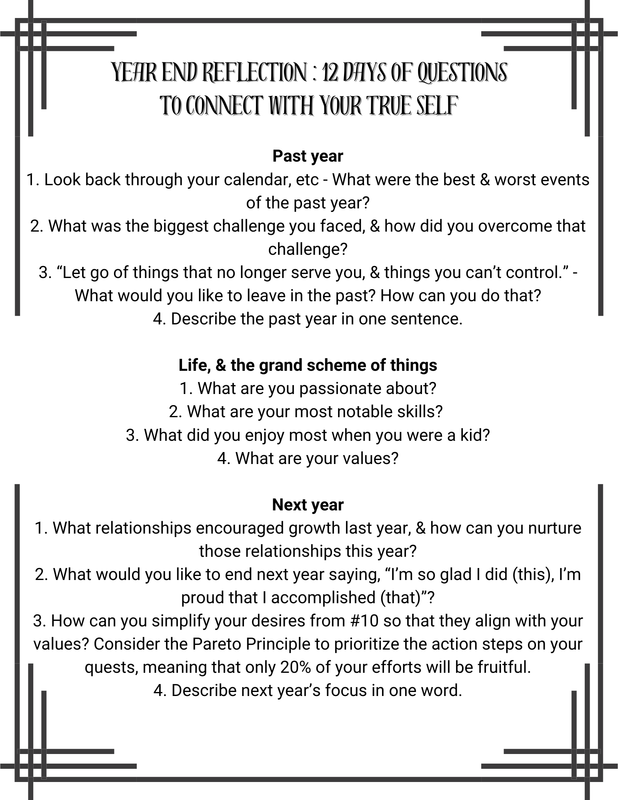
- Ask Reflective Questions What’s another way to look at this situation? What’s the lesson here? How can I grow from this?
- Focus on What You Can Control Instead of fixating on what’s out of your hands, direct your energy toward actionable steps.
- Practice Gratitude Even in tough times, there’s usually something to be grateful for. Shifting your focus to these positives can help balance your perspective.
The Balance Between Honesty and Optimism
Shifting your perspective doesn’t mean ignoring reality or pretending everything is fine. It’s about finding a balance between honesty and optimism. You can acknowledge the challenges while still looking for ways to move forward.
For example, if you’re feeling stuck in your career, you might say, “I’m not where I want to be, but I have the skills and determination to get there.” This approach validates your current experience while keeping the door open for progress.
Final Thoughts
Life is full of ups and downs, and how we choose to view those moments can make all the difference. By shifting your perspective, you’re not undermining your feelings—you’re giving yourself the tools to navigate them more effectively.
So the next time you’re faced with a challenge, take a moment to step back and ask yourself: Is there a more useful way to look at this? You might be surprised at how much of a difference it can make.
I don’t always get this right — sometimes rumination still spirals into negativity — but reminding myself to ask, ‘Is there another way to look at this?’ has pulled me out of so many mental ruts.
Thanks for reading! If this resonated with you, feel free to share it with someone who might need a little perspective shift today.
👉 What perspective shift has changed YOUR life? Drop it in the comments — your story might be exactly what someone else needs today.
Rock on!


 zen BLITZ