


I stumbled across the idea of “romanticizing your life” a while back, & it kind of struck me – why would you really want to romanticize anything else?
Little did I know, this phrase was a “trend” (I’m always out of the loop, which is where I belong 😅).
To me, romanticizing your life isn’t about aesthetic perfection, pretending everything is awesome, or assuming you’re failing if your life isn’t curated like it belongs in an art gallery.
It’s simply holding the mindset of presence & intent throughout your days. It’s a way of looking at the ordinary moments. It’s practicing mindfulness.
Romanticizing your life is about attention, not aesthetics.
What It Actually Looks Like (In Real Life)
Noticing Small Sparks
The fleeting moments that make you pause, such as snow glittering in the sunshine or a genuine smile from a stranger. Always be looking for insight, hope, meaning, joy – no one can give it to you, you need to find it for yourself. And you absolutely can, the more you look for it.
I try to write down the little things throughout the day that I enjoy, as part of my journaling practice. It’s uplifting to read even a year or so down the road & remember how the surplus of birds chirping in the big tree on the side of my house made me feel in that moment. 🥰
Hesitating in Boring Moments
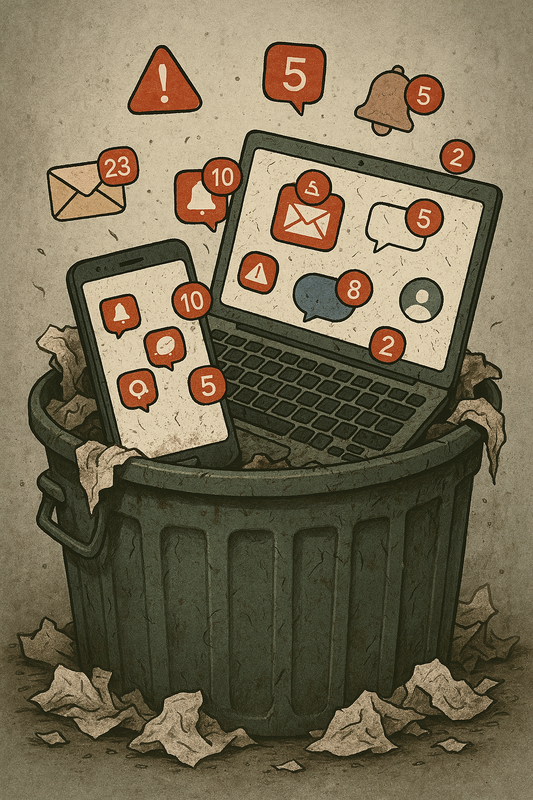
Before grabbing your phone to numb out all of your boredom and stress, ask yourself : What do I actually want to be doing right now?
Is there anything that could make this moment more fulfilling?
Treating Ordinary Moments as Worth Recording
Not because they’re impressive or profound to anyone (including you), but because they’re yours.
All the little moments put together are the story of your life. It’s worth making notes of. (And, perhaps, sharing?)
Why Journaling Matters Here : Time Blur & Memory
I always feel like everything I do throughout the weeks just blends together – days feel like weeks, weeks like months, and so on – and I’m left feeling like nothing’s actually happened.
That’s why I review my daily notes often. I condense dailies into weeklies, weeklies into monthlies, and so on – It helps me get a clearer perspective on what I’ve accomplished, what fun I’ve had, and what insights I’ve gained over time. And why.
For me, journaling throughout the day and planning joy for the future are anchors in time. Control over future feelings. Proof that I’m living my life (not just existing). And forcing my perception of time to slow down by paying attention to it as it passes.
When you document your life, time stops erasing it.
Romanticizing Your Life as Self-Choice
You don’t need permission to enjoy your life.
You need to choose yourself inside the roles you play in your life.
As a wife & mom, I constantly feel guilt pulling at my heartstrings for craving autonomy & independence. But I’m not just a wife & mom – I’m a badass 😉
I know who the fuck I am, and I need to go out into the world & just be me sometimes – going to concerts by myself, running errands by myself, taking myself out to sushi & write in the dining area at Wegman’s. I love my family, & I do plenty of fun stuff with them.
But presence includes choosing to honor yourself & your needs, not disappearing into obligation.
Tools That Support the Perspective
Even amidst times of chaos, these are tools that have supported my passion for living my life. Of course, these are ideas, not requirements.
Journaling – (If you haven’t noticed, I’m quite a fan.) Even when I’m tired or have had a boring day, I’ll at least write a simple word in my monthly log to summarize the day. Even if that word is “BLEH!”
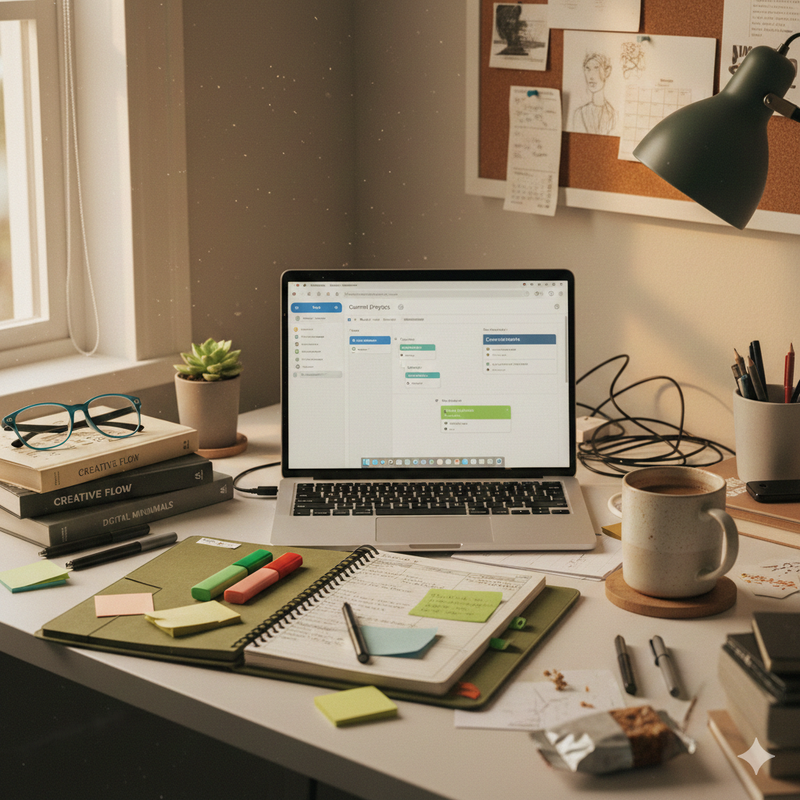
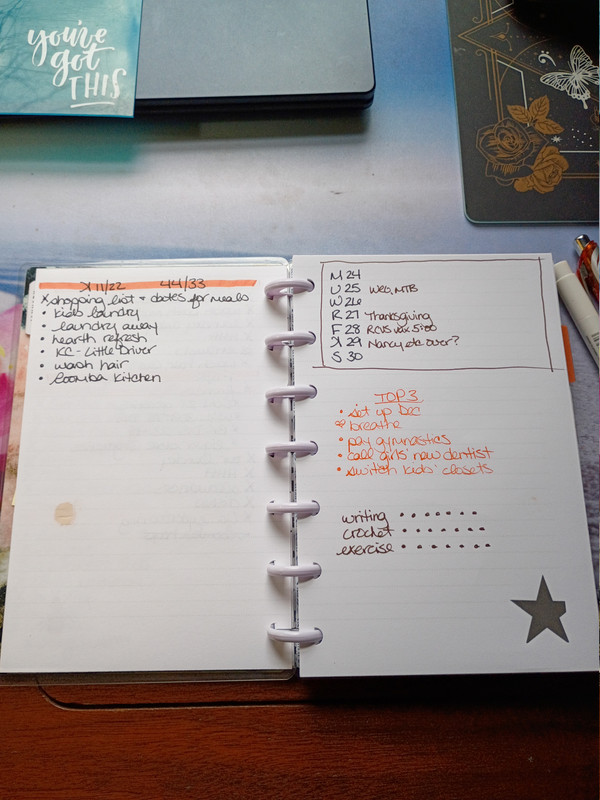
Planning – (Also a fan.) Planners are fun because they can be used for a lot of things beyond tracking dreadful appointments. Because I homeschool my kids, I abuse my planner, but it definitely helps me figure out where & when I can fit in adventures to local hiking spots or museums (with or without the fam). However, planners can also be used as memory keepers – I make one for my husband every year, using a “Hobonichi Weeks” style planner, where I write a highlight of the day every day & add photos weekly. Just an idea. 😊
Weekly / Monthly Reflections – I make sure that I browse through my daily notes once a week to reflect on what I’ve done & contemplated, and compile the useful stuff onto its own page; sometimes I’ll expand on those notes, sometimes I don’t. Monthly, I review my weekly reflections & do the same thing. This process gives me a lot of valuable perspective over time.
Who This Is For
You. If you’ve read this far, this is definitely for you.
- You crave beauty & fulfillment but hate bullshit
- Maybe you feel bored, stuck, or numb
- You want more meaning without blowing up your life
- You feel something missing but don’t want a fantasy fix
Romanticize your life by paying attention & living each moment with intention.
You don’t need a better life — you need to be present in the one you have.
Document one ordinary moment today. Get sensual about it, if you want – “that sip of coffee was perfectly warm on this frigid day, and slapped me to attention like a sumo wrestler warming up for a match”.
And plan one small, meaningful thing – just for you. (Even it’s just grocery store sushi.)
If this resonated, share it with someone who’s tired of numb scrolling — or bookmark it for the next time time feels slippery.
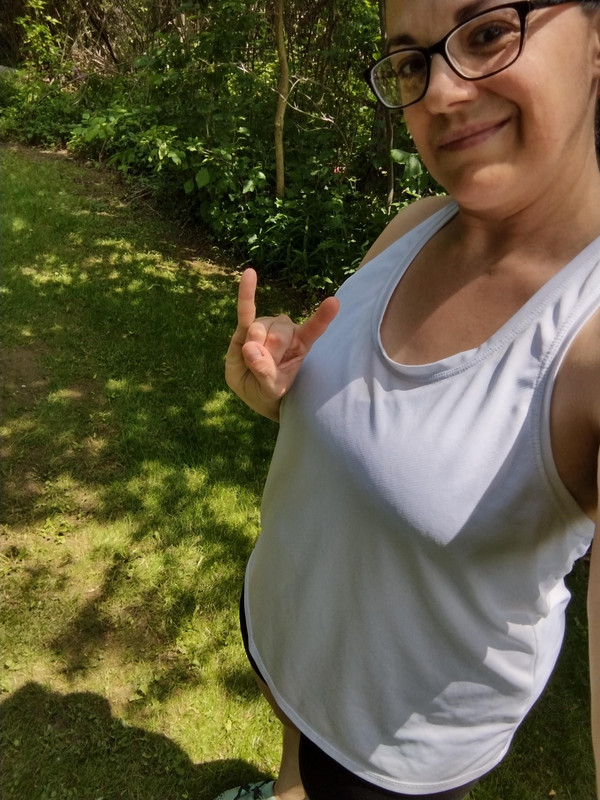
Rock on! 💚




 zen BLITZ