“Where I’m at” posts are just monthly updates about what’s going on in my life.
- planner : BLAH! 😆 No, no blah. I’m planning autumn activities this coming month (orchard, pumpkin farm, trunk or treat, etc). We gotta have a Halloween / Murder Mystery party before people murder me for not bothering with parties the past few months. My sister in law’s birthday is the same as mine – usually we go to the casino buffet for dinner, but she’s never been to Duff’s (blasphemy for a Buffalonian!), so we’ll likely do that. Still busy busy, & very much looking forward to the less busy time of year.
- self : Still struggling a bit with my diet & exercise routine – I just don’t fuckin’ care. I mean, I do, & I’m still sticking with my “minimum viable” (😉), but I’m not that invested. I’m comfortable where I’m at, for the most part. My mind, on the other hand, has been a fuckin’ mess. I blame allergies & controlling chaos. Cuz that’s pretty much the culprit. (Still sticking with my “minimum viables” though lol!)
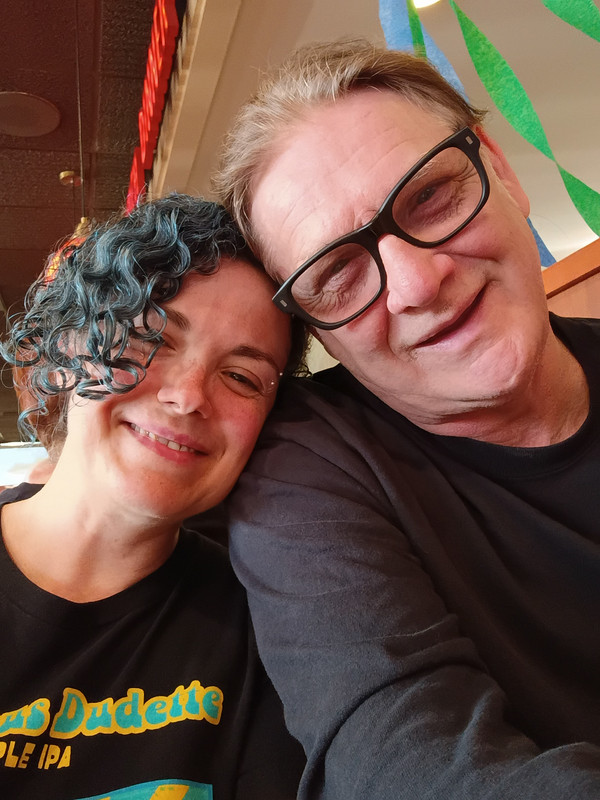
- marriage : Doing alright. Stressful at times, but working through it. Such is life, eh?
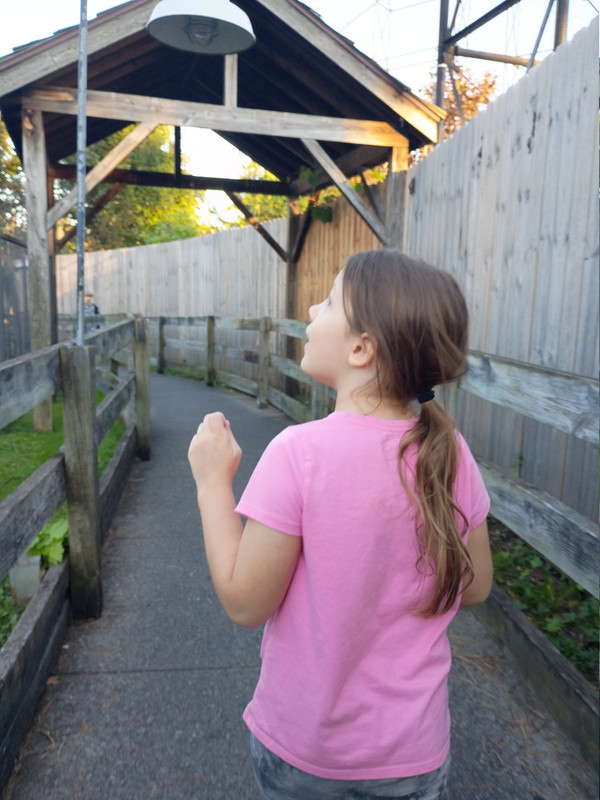
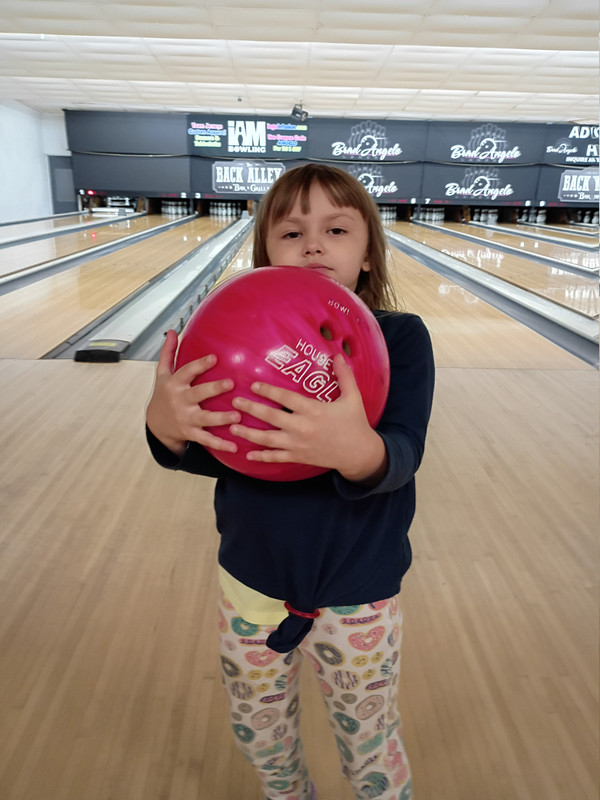
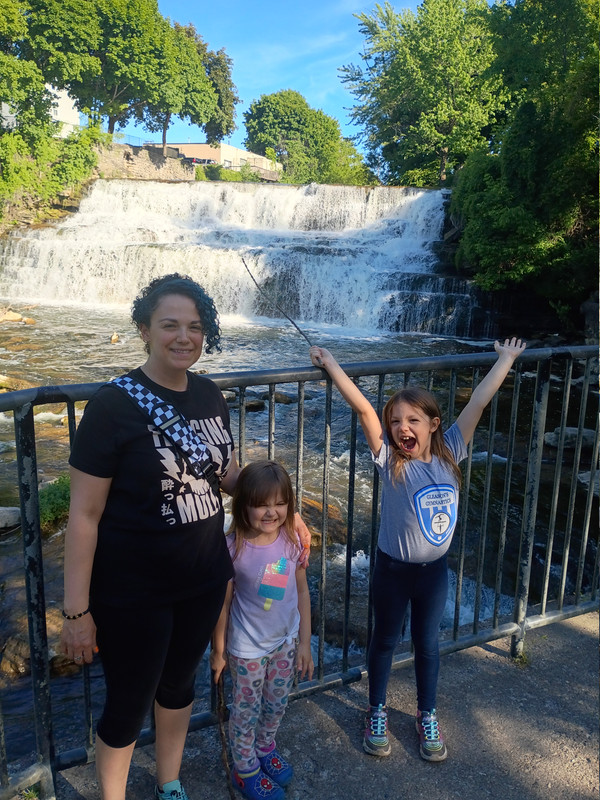
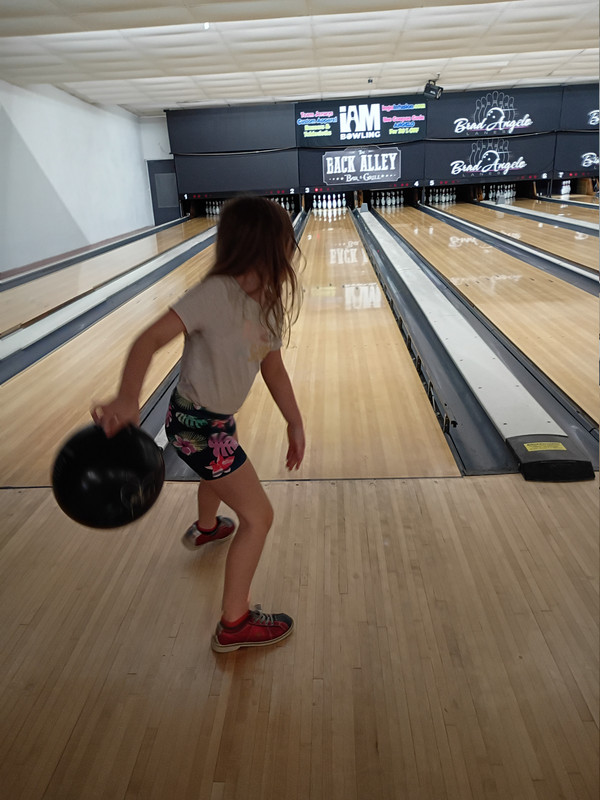
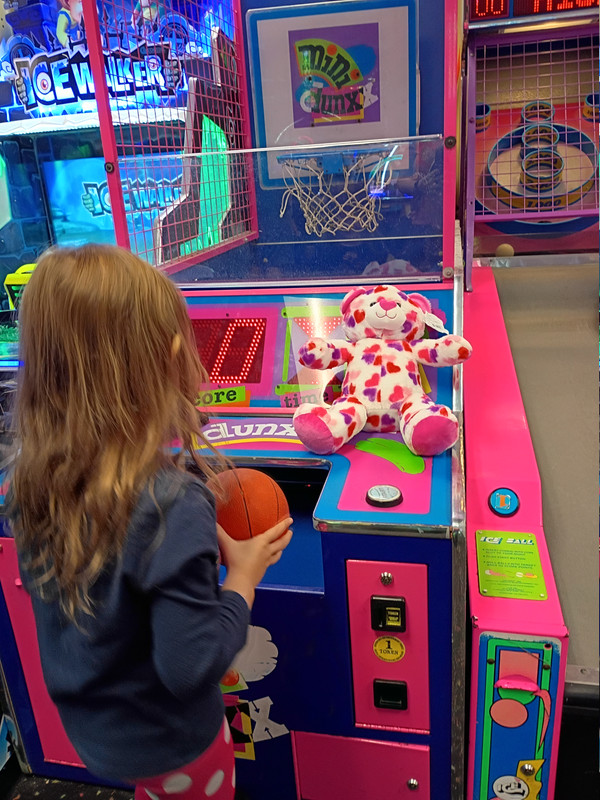
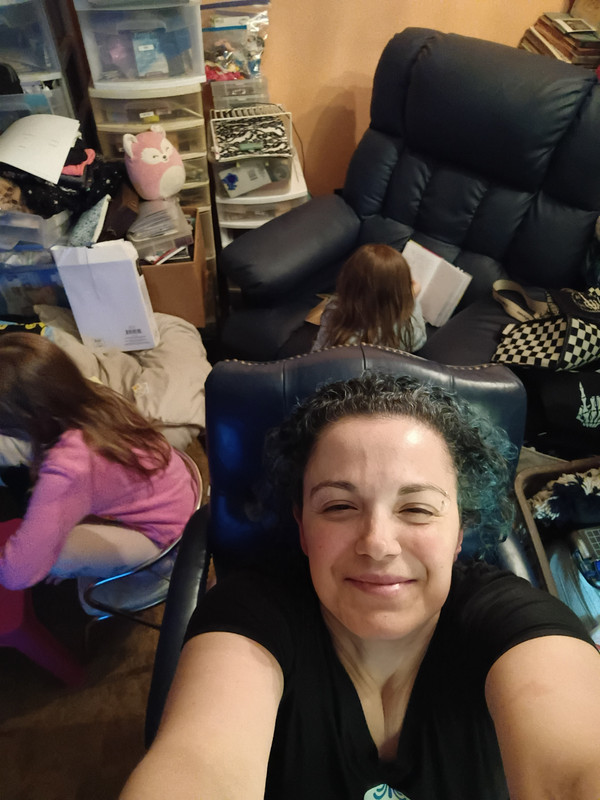
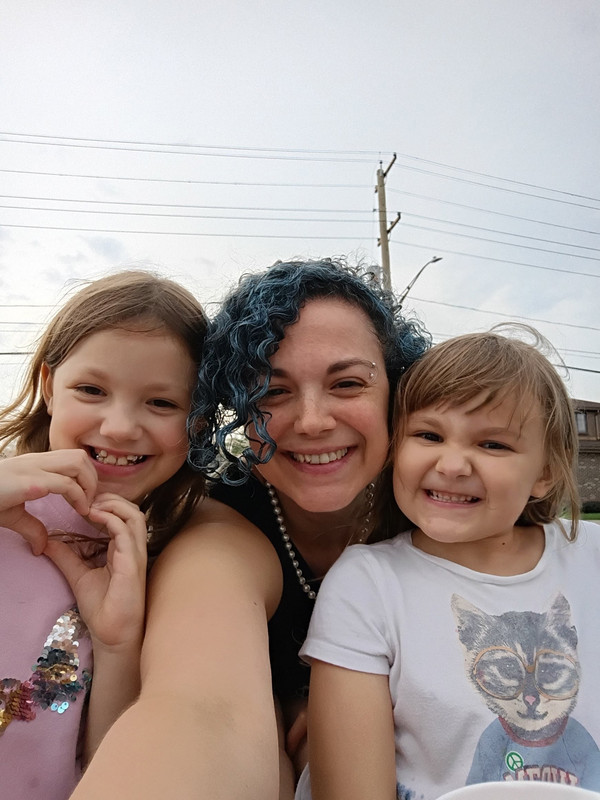
- mom (BooBoo & Bubby) : The girls are good! No injuries to report (hopefully that remains a constant monthly update!) We went on our last “mommy-daughter dates” of the season, & I brought both of them along for each of the two dates – we went to an arcade with mini golf for BooBoo’s choice, & bowling for Bubby’s. And we all got season passes for Six Flags now that the girls are tall enough for a lot of the rides, and we’ve gone a couple times already & everyone had a lot of fun – BooBoo can go on “big kid” rollercoasters now, & she loves it! I’m grateful that I’m still physically able to go on the rides with the girls, even if my body is screaming at me for days after 😂 Good memories makes it worthwhile 🥰
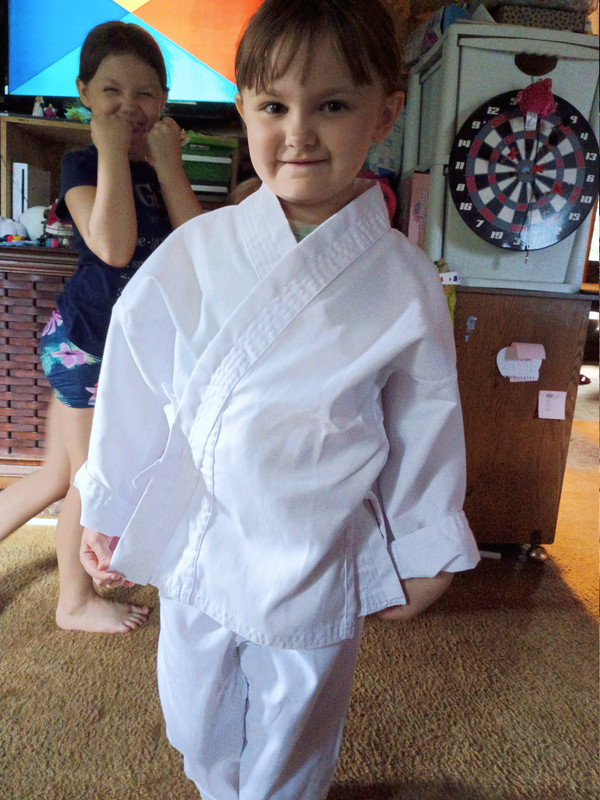
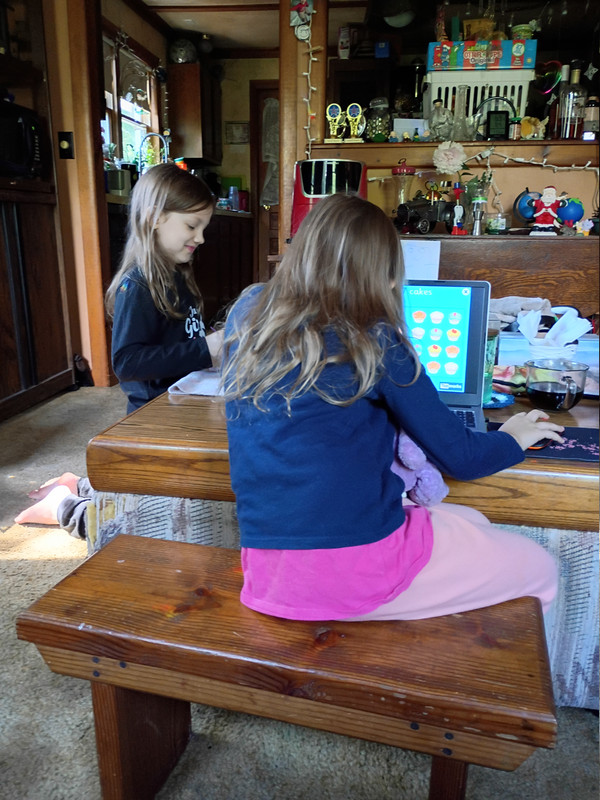
- homeschool teacher (2nd grade & K) : Getting back into the groove with all the busy-ness, but doing well. We’re figuring it out. They give me a hell of a time during school, but they seem to actually enjoy the progress they’re making, which is kind of the point. Bubby loves math & hates phonics, but she’s really learning to read now which is awesome!!! BooBoo likes everything, it seems, even science & history, so that’s pretty great! BooBoo’s happy to be back at gymnastics now that their season has restarted, & her “bestie” is back after being off for the summer so she’s excited about that too. Bubby’s been doing awesome in taekwondo – she throws a hell of a punch LOL! She’s really good at paying attention & doing what she’s told to do, & I’m super proud of how she’s been handling her classes.
- zenBLITZ : Yeahhh…my mind’s been too much of a mess to put together anything worth sharing. I know…who gives a shit, do it anyway. LOL. I’m gettin’ there… 💚
- homemaker : Gotta finish cleaning up outside so I can start deep cleaning the house! I’d rather do it in autumn than spring cuz we obviously spend more time indoors during the dark half of the year, and so I’d rather get & (try to) keep it cozy & comfortable starting around now. Everything else is all good. We have a bit of a drive to go to a wedding at the end of October, so I think I might try to make a mini vacation out of it. We’ll see.
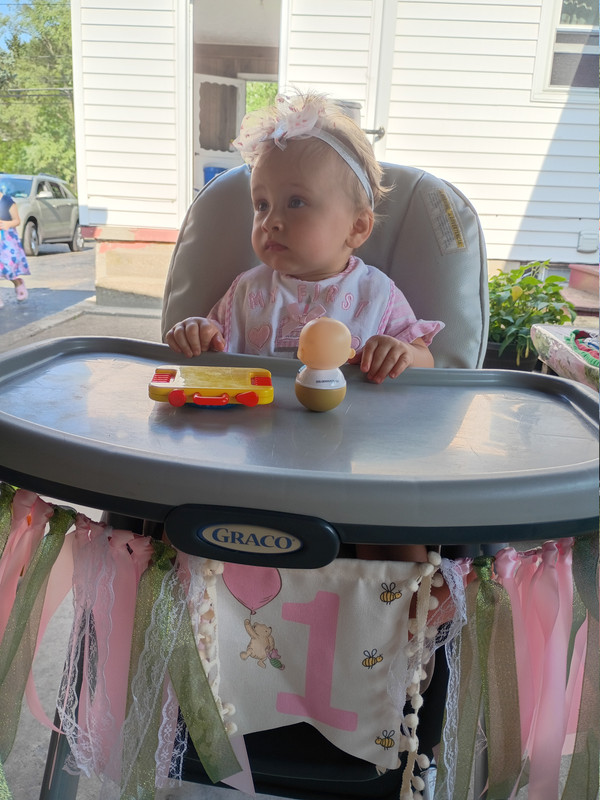
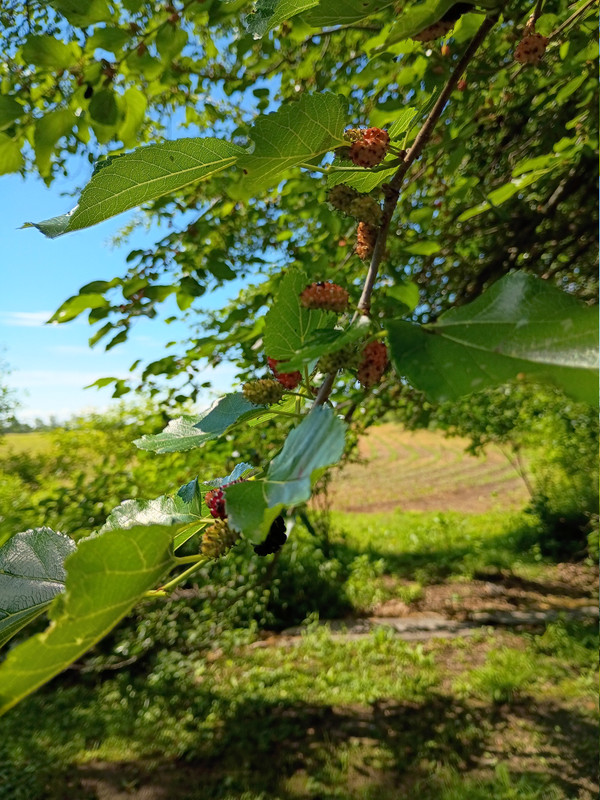
- (step) gramma : Chiquita Banana is doing awesome! She’s about ready to walk, understands a lot of what I say to her, & loves to dance. We went for a walk around my yard the other day & ate some of the season’s last yellow raspberries together hehe 🥰
Currently
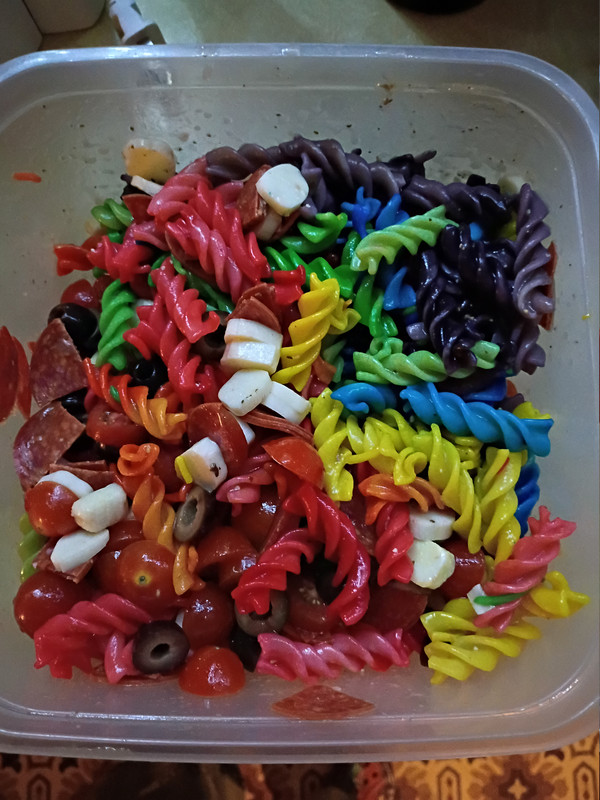
eating – Homemade pho! Glass noodles + veggies + broth 😋 I switch up the types of veggies & the seasonings I put into my broth often – today I added some seaweed, ginger, garlic, soy sauce, & lime
drinking – Too many Monsters lately – I gotta stop! My heart feels like it’s trying to jump out of my chest like the Kool Aid Man
watching – Not much. Haven’t really been interested in TV much lately (cuz I just can’t focus on anything!)
reading – The End of Loneliness by Benedict Wells – lots of thought provoking lines, but not an amazing story (yet)
playing – Ugh… I got started playing “Bus Fever Party!” on my phone, & I’m addicted 😅
buying – As little as possible. Hubby’s been on a bit of a spree because his friend is moving & selling some of his stuff, so we just spent a considerable amount on money on a scissor lift & a portable car lift
listening to – “Uno Dos Tre” by Green Day – I forgot how much I enjoyed Dos
celebrating – My birthday! (Surviving another year is always a good reason to celebrate, even though I kinda hate this month lol) And Halloween
pinning – peoples’ journals, “free spirit”, pretty backgrounds, & drawing inspiration
planning – My birthday, Halloween party, autumn activities, & wedding trip
feeling – Egh, I don’t know. Exhausted. Depleted. Perpetually fried. Gettin’ better though (I hope!)